
The mountain gorilla encounter itself is the same for every visitor. Everyone gets the same hour, the same rules and the same forest. What changes with a luxury gorilla trekking Rwanda experience is everything around it: how you arrive, where you sleep, how you recover and how smoothly the day unfolds. For travellers who value comfort, privacy and seamless service, Rwanda is arguably the best-equipped gorilla destination in Africa.
This guide explains what luxury really means in this context, which lodges define the category, how transfers and trekking days work, what it costs, and how to plan a trip that is both indulgent and responsible.
What “Luxury” Means for Gorilla Trekking
Luxury here does not change the wildlife. Gorilla trekking remains a physical, muddy and unpredictable activity, and no amount of money can guarantee which family you will see or how far you will walk. What a premium trip does is remove friction and add comfort at every other point:
- Faster, easier transfers, including helicopter options
- Exceptional lodges with private suites, fireplaces and views of the Virunga volcanoes
- Personalised service, such as butlers, private guides and tailored schedules
- Recovery and wellness, including massages and spa facilities after the trek
- Careful logistics, with permits, border formalities and flights handled for you
For many travellers the physical demands of the trek are far more enjoyable when the hot shower, the log fire and the cold drink are waiting at the end.
The Permit: Fixed for Everyone
Whatever your budget, every visitor pays the same permit price. A Rwanda gorilla permit costs USD 1,500 per person, set by the Rwanda Development Board, and the price is reported to hold steady for 2026/2027. Standard conditions apply to all visitors: a 2026 guide summarises them as a minimum age of 15, a maximum of one hour with the gorillas and no more than eight visitors per gorilla group.
This is worth stressing, because some promotions suggest that paying more buys more gorilla time or a guaranteed family. It does not. Premium operators can request preferences, such as a gentler or more strenuous hike, and a strong operator relationship helps with the process, but final allocation is decided by the park on the morning of the trek.
Rwanda’s Leading Luxury Lodges Near the Gorillas
Accommodation is where luxury gorilla trekking in Rwanda stands apart. The main lodges cluster near Volcanoes National Park, and several are among the most celebrated safari properties in Africa.
Wilderness Bisate Lodge. Bisate is known for its dome-shaped villas set inside an eroded volcanic cone. One operator describes staying in one of only six sumptuous forest villas on the edge of Volcanoes National Park. The lodge is linked with a reforestation programme and is often highlighted for its design, sustainability focus and private service. It opened in 2017.
Singita Kwitonda Lodge. Singita’s first Rwandan property is described as having only eight freestanding rooms and sitting near Volcanoes National Park. Another source notes it is set on 178 acres bordering the park, about two and a half hours from Kigali International Airport by private car. Rooms offer private heated plunge pools and volcano views, and the lodge is known for sustainable luxury and community involvement. It opened in 2019.
One&Only Gorilla’s Nest. This wellness-oriented retreat sits among eucalyptus trees. One travel specialist notes it is located at the base of the Virunga Mountains, just 20 minutes from where gorilla treks begin. Its highlights include a spa, a gym and a heated pool, and natural wood interiors decorated with geometric Imigongo designs inspired by Rwandan art.
Wilderness Sabyinyo and other options. Smaller properties and boutique hotels add variety, from secluded cottages to hillside lodges with panoramic views.
Rates vary by season, room category and what is included. One 2026 guide lists luxury lodges such as Bisate or Singita at $1,200 to $3,500 or more per night. Treat any such range as indicative and confirm whether meals, drinks, activities and transfers are bundled.
Getting There in Style
Standard transfers take around two and a half to three hours by road from Kigali, along a scenic and well-maintained route. Luxury travellers often prefer a faster option.
Helicopter transfers. Several lodges and operators arrange flights from Kigali to the Volcanoes region. One source notes that helicopter transfers are available to Volcanoes National Park from the airport, with a short road transfer to the lodge. This reduces a three-hour drive to a short, spectacular flight over terraced hills and volcano slopes, and it is especially valuable if you land late or have a tight schedule.
Private vehicles. For those who prefer to drive, a private 4×4 with an experienced driver-guide offers comfort, flexibility and stops en route, such as markets or viewpoints.
Whichever you choose, ask your operator to coordinate with flight arrival times and check weather conditions, since helicopter schedules can be affected by cloud and visibility.
A Typical Luxury Trekking Day
Early morning. A private breakfast at your lodge, sometimes prepared to your schedule rather than a fixed time. Staff may provide a packed lunch, hot drinks and trekking essentials such as walking sticks.
Park headquarters. Your driver takes you to Kinigi for registration, a briefing and group allocation. Premium operators handle paperwork in advance, so the process is smooth.
The trek. You hike with rangers and trackers, accompanied by a porter if you choose one. One comparison notes that Rwanda’s treks typically run from 30 minutes to 4 hours.
The hour. You observe your family, photograph them and listen to your guide’s explanations. This is the same hour as every visitor receives, but a calm mind and good preparation make it richer.
The return. Back at the lodge, you might find a hot bath drawn, a massage booked or a leisurely lunch waiting. Many lodges offer fireside evenings, local cultural performances and private dinners.
Customising Your Luxury Itinerary
A premium operator can build much more than a single trek.
Two treks. Pair two gorilla permits with a rest day between them. This adds roughly $1,500 for the second permit but doubles your chance of rich encounters.
Golden monkeys and volcano hikes. Add golden monkey tracking, a hike to the Dian Fossey grave site or a climb to the crater lake on Mount Bisoke.
Cultural experiences. Meet local communities, visit craft cooperatives, learn about traditional dance or take part in a village walk.
Nyungwe and Akagera. Extend with chimpanzee tracking in Nyungwe Forest or savannah game drives in Akagera, where premium camps such as Magashi offer private guiding.
Lake Kivu. End with a few days of rest on the lakeshore, with spa treatments and water activities.
Photography. Specialist guides and private vehicles help photographers prepare for the low light and tricky conditions under the forest canopy.
Costs: What Luxury Really Adds
Because the permit is fixed, the extra spending in a luxury package comes from lodges, transfers, activities and service.
| Cost element | Typical consideration |
| Gorilla permit | $1,500 per person, same for everyone |
| Luxury lodge | Roughly $1,200 to $3,500+ per night in 2026 guides |
| Helicopter or charter transfer | Adds a significant premium per person |
| Private guide and vehicle | Higher than shared transport |
| Spa, wellness and activities | Often extra |
| Tips and insurance | Budget separately |
For perspective, one 2026 estimate puts a seven-day Rwanda gorilla safari at $3,500 to $5,500 per person in total, although a fully luxury itinerary with premium lodges and charters can run well above that. Request an itemised quote and confirm current rates, because rules and prices can change between tariff periods.
Best Time to Go
Gorillas can be trekked all year.
- Dry seasons (June to September and December to February): Trails are firmer and views are clearer, but luxury lodges are small and sell out early. Book many months ahead.
- Wet seasons (March to May and October to November): Lush scenery, quieter forests and sometimes better availability, though trails can be slippery. Good waterproof kit matters.
With only a handful of rooms at the best lodges, early booking matters more than the exact season.
Responsible Luxury
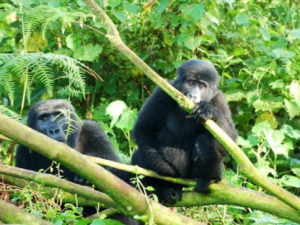
Rwanda’s model ties high prices to conservation outcomes. Permit revenue funds anti-poaching patrols, veterinary care and community projects, and many luxury lodges add their own commitments, from reforestation to local employment and community funds. Ask operators how they support communities, how staff are trained and paid and how much of your spend stays in Rwanda. Choosing lodges and operators with transparent conservation and community programmes ensures your trip supports the animals and people that make the experience possible.
Preparing for Your Trek
Luxury does not remove the physical demands.
- Fitness: Hill walking and stair climbing in the weeks before departure builds stamina.
- Footwear and clothing: Broken-in boots, long trousers, long sleeves, waterproof jacket, gloves and a hat.
- Porters: Strongly recommended. They carry your pack, assist on steep sections and earn valuable income.
- Health: Consult a travel clinic about vaccines and malaria advice, and carry insurance with medical evacuation and permit cancellation.
- Etiquette: Keep about seven metres’ distance, avoid flash, stay home if ill and follow your guide’s instructions.
Conclusion
Luxury gorilla trekking in Rwanda combines one of the planet’s greatest wildlife encounters with comfort, privacy and polished service. The gorilla hour is the same for everyone, but the lodges, transfers and personalised support change how you arrive, how you recover and how the whole trip feels. It is a considerable investment, driven by the fixed permit and the premium cost of the best lodges, but it rewards careful planning. Book early, choose lodges and operators with strong conservation credentials, prepare physically and allow time to savour the setting. Do that, and your trip will be as comfortable as it is unforgettable.
Key Takeaways
- The gorilla permit costs $1,500 per person and is identical for all visitors. Luxury affects everything else.
- Leading lodges near Volcanoes National Park include Bisate, Singita Kwitonda and One&Only Gorilla’s Nest.
- Luxury lodges in 2026 are reported at roughly $1,200 to $3,500+ per night.
- Helicopter transfers from Kigali can shorten a three-hour drive, subject to weather and availability.
- Paying more does not guarantee a particular family or longer time with the gorillas.
- Book many months ahead, since top lodges have very few rooms.
- Prepare physically, hire a porter and follow all etiquette rules.
Frequently Asked Questions
- How much does luxury gorilla trekking in Rwanda cost?
The permit is $1,500 per person. Luxury lodges are reported at roughly $1,200 to $3,500 or more per night, and transfers and activities add to the total. Request an itemised quote. - Do luxury packages give me more time with the gorillas?
No. The standard permit gives one hour for everyone. Luxury affects comfort, transfers and service, not the gorilla encounter itself. - Can I choose which gorilla family I see?
You can state preferences, such as an easier or harder hike, but the park makes the final allocation on the morning of the trek. - Which are the best luxury lodges near the gorillas?
Bisate Lodge, Singita Kwitonda Lodge and One&Only Gorilla’s Nest are among the best known, with other boutique options nearby. - Can I fly by helicopter to the park?
Yes, helicopter transfers can be arranged from Kigali to the Volcanoes region, subject to weather and availability. - How hard is the trek on a luxury trip?
Physically it is the same as for everyone, from short and easy to long and steep. Porters and good preparation help. - How far ahead should I book?
Many months ahead, and earlier for dry-season dates, as top lodges have very few rooms. - What is the minimum age?
15 years. - Can I add other activities?
Yes. Golden monkey tracking, cultural visits, Nyungwe chimpanzees, Akagera safaris and Lake Kivu stays are common additions. - Does luxury travel support conservation?
It can. Permit revenue funds conservation, and many lodges add community and reforestation programmes. Ask operators how they contribute.
