
Africa’s greatest wildlife theatre doesn’t require a limitless budget — it requires the right knowledge, the right timing, and the right expectations.
Introduction
When most people picture a Tanzania safari, they imagine candlelit bush dinners, private plunge pools overlooking the Serengeti, and eye-watering daily rates. What surprises many first-time travellers is the reality: Tanzania is one of the few destinations in Africa where a genuinely memorable, wildlife-rich safari experience is accessible on a modest budget — if you know how to plan it.
A Tanzania budget safari does not mean compromising on the wildlife itself. The animals don’t check your accommodation category before wandering past. A pride of lions hunting at dawn looks exactly the same from a shared safari vehicle as it does from a private one. What changes on a tighter budget is the style and comfort of the surrounding experience — and for travellers willing to embrace a more rugged, communal, and adventurous approach, the rewards are extraordinary.
Tanzania’s national parks and game reserves are among the most biodiverse and wildlife-dense ecosystems on the planet. The Serengeti, Ngorongoro Crater, Tarangire, Lake Manyara, and Arusha National Park all sit within reach of budget travellers who plan thoughtfully. This guide breaks down exactly how to experience the best of Tanzania’s wilderness without spending a fortune — covering costs, timing, accommodation, transport, and the insider strategies that make all the difference.
What Is a Budget Safari in Tanzania?
In the context of East African travel, a tanzania budget safari typically refers to itineraries costing between $100 and $300 per person per day, inclusive of accommodation, meals, park fees, and guiding. This is distinct from mid-range ($300–$700/day) and luxury ($700+/day) tiers, though the lines occasionally blur depending on destination and season.
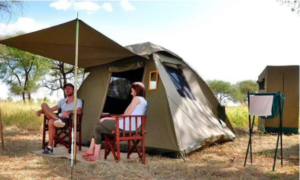
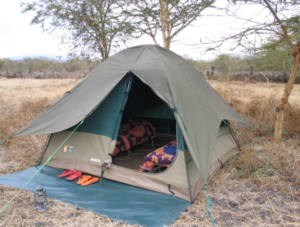
At the budget end, travellers typically stay in tented camps, public campsites, or guesthouses outside park boundaries. Game drives are conducted in shared vehicles — usually converted Land Cruisers accommodating six to eight passengers — and itineraries follow set routes rather than bespoke schedules. Meals are wholesome and filling rather than gourmet, and the overall experience has an honest, adventurous spirit that many travellers find deeply refreshing.
It is important to be clear-eyed about what budget safari travel in Tanzania involves. Park fees are non-negotiable and can be significant — Ngorongoro Crater, for example, carries a conservation fee that applies to all visitors regardless of budget tier. These fees fund the protection of the very ecosystems you are visiting, and they are worth every cent. The savings on a budget safari come primarily from accommodation, transport, and operator margins — not from skimping on the natural experience itself.
Best Budget-Friendly Destinations in Tanzania
1. Tarangire National Park — The Underrated Gem
For budget-conscious travellers, Tarangire National Park is one of Tanzania’s most compelling and underpriced destinations. Located in northern Tanzania approximately 120 kilometres from Arusha, Tarangire receives far fewer visitors than the Serengeti or Ngorongoro, yet delivers spectacular wildlife viewing — particularly between June and October, when elephant herds numbering in the hundreds converge on the Tarangire River.
The park’s lower visitor numbers mean less congestion at sightings, a more authentic bush atmosphere, and — crucially for budget travellers — more competitive accommodation pricing. Several excellent public campsites operate within park boundaries, and a range of affordable tented camps and lodges are situated just outside the park gate, dramatically reducing accommodation costs compared to inside-park properties.
Tarangire is also one of the best birdwatching destinations in East Africa, with over 550 recorded species. Its iconic ancient baobab trees, draped across rolling savannah, create a landscape of singular dramatic beauty.
2. Lake Manyara National Park — Big Wildlife, Small Price Tag
Compact but extraordinarily diverse, Lake Manyara National Park punches well above its weight for budget safari travellers. The park’s famous tree-climbing lions — a behaviour documented here more reliably than almost anywhere else in Africa — and its vast flocks of flamingo along the shallow alkaline lake are highlights accessible on a half-day game drive, making it an efficient and affordable addition to any northern circuit itinerary.
The proximity of Lake Manyara to Arusha and to the Ngorongoro Highlands means it fits naturally into a budget itinerary as a first or last park, minimising domestic transport costs. Several budget campsites and guesthouses in the nearby town of Mto wa Mbu offer affordable, characterful accommodation with access to local markets and the cultural energy of a Tanzanian roadside town.
3. Serengeti National Park — Budget Access to the World’s Greatest Safari
Yes, even the Serengeti is achievable on a budget. While park fees are unavoidable (approximately $70–$80 per person per day for non-residents at time of writing), the sheer scale of the Serengeti means budget operators running shared-vehicle game drives can deliver a genuinely magnificent experience at competitive daily rates.
The key is targeting the right zones at the right time. Budget travellers who focus on the Central Serengeti (Seronera) — the most accessible and year-round wildlife-rich area of the park — will encounter lions, leopards, cheetahs, elephants, giraffes, and the permanent wildlife communities that make this region exceptional regardless of season. While the dramatic Migration crossings of the northern Mara region involve higher logistics costs, the Serengeti delivers world-class safari at every price point.
Public campsite bookings through the Tanzania National Parks (TANAPA) authority are available at significantly lower rates than private campsites, and several reputable budget operators based in Arusha run well-reviewed, affordable camping safaris through the Serengeti.
4. Ngorongoro Crater — Manage Costs, Not Expectations
The Ngorongoro Conservation Area is one of the world’s great natural wonders and one where budget travellers must plan carefully. The conservation area fee and the crater descent fee together represent a significant daily cost — but the crater itself, sheltering the highest density of large mammals in Africa, is an experience that defies any price category.
Budget strategies here include staying in the gateway town of Karatu — located just outside the conservation area boundary — where affordable guesthouses and campsites offer substantial savings over crater-rim accommodation. Day trips into the crater from Karatu-based lodges are standard practice for budget travellers and make the Ngorongoro entirely accessible without crater-rim price premiums.
5. Arusha National Park — The Accessible, Affordable Introduction
Often overlooked in favour of more famous neighbours, Arusha National Park — located just 40 kilometres from the city of Arusha — offers an affordable and accessible first-day safari experience. The park encompasses the striking Ngurdoto Crater, the Momella Lakes (home to flamingo and other waterbirds), and the lower slopes of Mount Meru, Tanzania’s second-highest peak.
Giraffes, buffalo, zebra, warthog, black-and-white colobus monkeys, and a wide variety of birds can be encountered on short, budget-friendly game drives. Arusha National Park also offers one of the few opportunities in northern Tanzania for guided walking safaris at relatively low cost, providing an intimate on-foot wildlife encounter rarely available in more famous parks.
Practical Strategies for a Budget Tanzania Safari
Choose the Right Season
Travelling in Tanzania’s shoulder and low seasons — roughly November (short rains) and April to May (long rains) — can reduce accommodation costs by 20–40% compared to peak-season rates. Wildlife viewing in November is excellent, with lush landscapes and newborn animals. April and May see heavier rainfall and some road access challenges, but offer solitude and dramatic green scenery for adventurous budget travellers.
Use Arusha as Your Base
The city of Arusha in northern Tanzania is the safari capital of East Africa and the base for the vast majority of northern circuit operators. Staying in Arusha and booking day trips or multi-day camping safaris through local operators — rather than booking through international travel agents with high mark-ups — can deliver significant savings. Arusha has a well-developed budget accommodation scene and a competitive market of registered local safari companies.
Book Directly with Reputable Local Operators
Cutting out intermediary booking platforms and international travel agents is one of the most effective budget strategies. Tanzania has many TATO (Tanzania Association of Tour Operators)-registered budget and mid-range operators who offer transparent, competitive pricing. Research thoroughly using travel forums and review platforms, focusing on operators with strong records for vehicle reliability, ethical practices, and guide quality.
Opt for Camping Over Lodge Accommodation
Choosing camping — either on public TANAPA campsites within national parks or at budget campsites adjacent to park boundaries — is the most impactful single decision a budget traveller can make. Public campsite fees within national parks are typically $30–$40 per person per night, a fraction of lodge accommodation costs. Reputable budget operators supply all necessary camping equipment, meals, and support staff.
Travel in a Group
Budget safari pricing is most competitive when shared across a full vehicle. Travelling as a group of four to six — or joining a group departure organised by a budget operator — reduces per-person costs on vehicle hire, guide fees, and sometimes accommodation. Solo travellers and pairs can ask operators about joining existing group departures to access group pricing.
Key Takeaways
- Tanzania is genuinely accessible on a budget — with daily rates of $100–$300 per person achievable across reputable, well-organised camping safaris in the northern circuit.
- Park fees are non-negotiable — budget for them as a fixed cost and treat them as direct conservation contributions rather than expenses to minimise.
- Tarangire and Lake Manyara are the budget traveller’s best friends — delivering world-class wildlife at lower overall costs than the Serengeti and Ngorongoro due to fewer visitors and more competitive accommodation pricing.
- Camping is the cornerstone of budget safari travel — public campsites inside national parks are affordable, well-situated, and provide an authentic immersive experience.
- Shoulder and low season travel (November, April–May) offers meaningful savings and, in the case of November, excellent wildlife viewing conditions.
- Book directly with TATO-registered local operators in Arusha to avoid international mark-ups and access the most competitive rates.
- Vehicle and guide quality matter enormously — the lowest price is not always the best value; invest sufficient research into operator reputation, especially regarding vehicle reliability and guide experience.
Questions & Answers
Q: What is the minimum realistic budget for a Tanzania safari? A: For a basic but genuine Tanzania budget safari experience — using public campsites, shared vehicles, and a reputable budget operator — travellers should budget a minimum of $150–$200 per person per day for a northern circuit itinerary. This covers park fees, accommodation, all meals, game drives, and a professional guide. Attempts to spend significantly below this threshold often reflect corner-cutting on vehicle quality, guide training, or park fee compliance, none of which serve the traveller’s interests.
Q: Is it safe to go on a budget Tanzania safari? A: Yes, provided you book with a licensed, reputable operator. Legitimate TATO-registered operators adhere to safety standards in terms of vehicle maintenance, guide certification, and emergency protocols. The risks associated with very cheap, unregistered operators — poorly maintained vehicles, unlicensed guides, non-compliance with park regulations — are real and worth avoiding. Budget travel in Tanzania is safe when it is well-researched; it is not safe when cost-cutting goes too far.
Q: Can I do a self-drive safari in Tanzania on a budget? A: Self-drive safaris are technically permitted in Tanzania’s national parks and can theoretically reduce guiding costs, but they come with important caveats. Roads within many parks — particularly during the wet season — require high-clearance 4WD vehicles, and navigation without a knowledgeable guide significantly reduces the quality and volume of wildlife encounters. The expertise of a good Tanzanian guide is genuinely invaluable. Self-drive is more practical and rewarding for experienced Africa travellers; first-time visitors are strongly advised to travel with a guide.
Q: What should I look for when choosing a budget safari operator in Tanzania? A: Prioritise operators who are TATO-registered and can provide verifiable references or reviews. Key questions to ask include: What year and model are your safari vehicles? Are your guides certified by the Tanzania Tourist Board? Are park fees included and paid directly to TANAPA, or through the operator? What is your policy if a vehicle breaks down in the field? A transparent, responsive operator who answers these questions clearly is a positive sign. Be cautious of operators who are evasive about vehicle age or who offer prices that seem implausibly low.
Q: What is the best budget Tanzania safari itinerary for first-time visitors? A: A highly recommended 5–6 day budget northern circuit itinerary for first-timers includes: Day 1 — Arusha National Park (walking safari and game drive); Days 2–3 — Tarangire National Park (camping, elephant herds, baobab landscape); Day 4 — Lake Manyara National Park (half-day game drive); Days 5–6 — Ngorongoro Crater (day descent from Karatu-based accommodation). This itinerary delivers outstanding wildlife diversity, manageable park fees, and multiple camping nights, all within a competitive budget range.
Conclusion
The idea that a Tanzania budget safari requires an extravagant budget is one of travel’s most persistent and unfortunate myths. The truth is that Tanzania’s wildlife is democratic in its magnificence — it does not discriminate between the guest in the luxury tented suite and the traveller sleeping under canvas at a public campsite nearby. Both may wake to the same sound of lions calling across the darkness. Both may watch the same cheetah coalition sprint through the golden grass at dawn.
What a budget safari demands is not the willingness to sacrifice wonder — it is the willingness to embrace a rawer, more unvarnished form of it. The early mornings, the dust on the drive back to camp, the communal meals shared with fellow travellers from across the world, the undeniable knowledge that you are genuinely in the wild — these are not consolation prizes for those who could not afford the alternative. For many seasoned Africa travellers, they are the experience itself.
Tanzania offers more protected land, more diverse ecosystems, and more sustained wildlife spectacle than almost any other country on the planet. With thoughtful planning, a realistic budget, and a spirit of adventure, its wonders are within reach. The Serengeti does not require a five-star address to take your breath away.
