
Tanzania safari represents one of the most iconic wildlife experiences in the world. Known for its vast savannahs, abundant wildlife, and rich cultural heritage, Tanzania offers unparalleled safari opportunities that combine adventure, luxury, and ecological diversity. From the legendary plains of the Serengeti National Park to the wildlife-rich Ngorongoro Crater, a Tanzanian safari promises a transformative journey into nature.
This article provides a detailed overview of Tanzania safaris, including destinations, experiences, planning considerations, and expert insights.
1. Overview of Tanzania Safari
A Tanzania safari typically involves guided tours through protected national parks and conservation areas where visitors observe wildlife in their natural habitats. The country is home to the “Big Five” — lions, elephants, leopards, buffaloes, and rhinos — and hosts one of the largest wildlife migrations on Earth.
The defining feature of Tanzania safari experience is its authenticity. Unlike heavily commercialized destinations, many parks maintain a raw and untouched atmosphere, allowing travelers to experience wildlife with minimal human interference.
2. Top Safari Destinations in Tanzania
2.1 Serengeti National Park
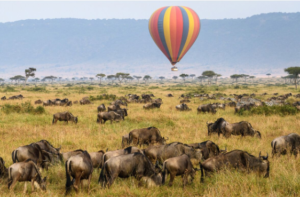
The Serengeti is Tanzania’s flagship safari destination. It is globally renowned for the Great Migration, where millions of wildebeest and zebras move across the plains in search of fresh grazing.
Key Highlights:
- Annual migration spectacle
- Large predator populations
- Endless savannah landscapes
2.2 Ngorongoro Crater
A UNESCO World Heritage Site, the Ngorongoro Crater is the world’s largest intact volcanic caldera. It offers one of the highest concentrations of wildlife in Africa.
Key Highlights:
- Dense wildlife population
- High chances of spotting rhinos
- Unique ecosystem within a crater
2.3 Tarangire National Park
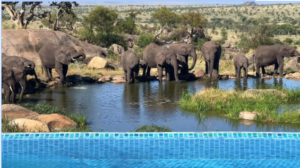
Famous for its massive elephant herds and iconic baobab trees, Tarangire is often less crowded but equally rewarding.
Key Highlights:
- Elephant migration
- Birdwatching paradise
- Scenic landscapes
2.4 Lake Manyara National Park
This compact park is known for its diverse ecosystems and tree-climbing lions.
Key Highlights:
- Flamingos and birdlife
- Groundwater forests
- Unique lion behavior
2.5 Selous Game Reserve (Nyerere National Park)
One of the largest game reserves in Africa, Selous offers a more remote and exclusive safari experience.
Key Highlights:
- Boat safaris
- Walking safaris
- Fewer tourists
3. Types of Safari Experiences
3.1 Game Drives
Game drives are the most common safari activity, conducted in 4×4 vehicles with experienced guides. These drives usually occur early morning and late afternoon when animals are most active.
3.2 Walking Safaris
Walking safaris provide a closer, more immersive experience. Accompanied by armed rangers, travelers learn about flora, tracks, and smaller wildlife.
3.3 Balloon Safaris
Hot air balloon safaris over the Serengeti offer breathtaking aerial views of wildlife and landscapes, typically followed by a bush breakfast.
3.4 Cultural Safaris
Visits to local communities such as the Maasai people offer insight into traditional lifestyles and customs.
4. Best Time to Visit Tanzania for Safari
Tanzania offers year-round safari opportunities, but timing significantly affects the experience.
Dry Season (June to October):
- Best for wildlife viewing
- Animals gather around water sources
- Minimal vegetation
Wet Season (November to May):
- Lush landscapes
- Fewer tourists
- Excellent for birdwatching
Great Migration Timing:
- December–March: Calving season in southern Serengeti
- June–July: River crossings begin
- August–September: Dramatic crossings in northern Serengeti
5. Accommodation Options
Luxury Lodges
High-end lodges offer premium comfort, gourmet dining, and exclusive locations within parks.
Tented Camps
These range from mid-range to luxury and provide an authentic bush experience without compromising comfort.
Budget Campsites
Ideal for adventurous travelers, these offer basic facilities and close proximity to nature.
6. Safari Planning Essentials
6.1 Visa and Entry Requirements
Most travelers require a visa to enter Tanzania, which can be obtained online or on arrival.
6.2 Health and Safety
Vaccinations such as yellow fever may be required. Malaria precautions are strongly recommended.
6.3 Packing Tips
- Neutral-colored clothing
- Binoculars and camera
- Sunscreen and hat
6.4 Safari Etiquette
- Maintain silence during wildlife viewing
- Follow guide instructions
- Respect animals’ space
7. Cost of a Tanzania Safari
Safari costs vary widely depending on the level of luxury, duration, and season.
Estimated Daily Costs:
- Budget: $150–$300
- Mid-range: $300–$700
- Luxury: $700–$1500+
Costs typically include accommodation, meals, park fees, and guided activities.
8. Advantages of Choosing Tanzania for Safari
- Home to iconic parks like Serengeti National Park
- Exceptional biodiversity
- Authentic and less commercialized experience
- Opportunities for combined beach holidays in Zanzibar
Key Takeaways
- Tanzania is one of Africa’s premier safari destinations, offering unmatched wildlife diversity.
- The Serengeti National Park and Ngorongoro Crater are must-visit locations.
- The best time to visit depends on wildlife movement and personal preferences.
- Safari experiences range from budget camping to ultra-luxury lodges.
- Proper planning enhances safety, comfort, and overall experience.
Frequently Asked Questions (Q&A)
Q1: What is the best safari park in Tanzania?
The Serengeti National Park is widely considered the best due to its vast landscapes and the Great Migration.
Q2: How many days are ideal for a Tanzania safari?
A duration of 5–10 days is ideal to explore multiple parks and fully experience wildlife diversity.
Q3: Is Tanzania safe for tourists?
Yes, Tanzania is generally safe for tourists, especially when traveling with reputable safari operators.
Q4: Can I see the Big Five in Tanzania?
Yes, the Big Five can be seen in parks like the Ngorongoro Crater and Serengeti.
Q5: What should I wear on a safari?
Neutral-colored, lightweight clothing is recommended to blend with the environment and stay comfortable.
Q6: Is a Tanzania safari suitable for families?
Yes, many lodges and tour operators offer family-friendly packages and activities.
Conclusion
A Tanzania safari represents a unique convergence of natural beauty, wildlife abundance, and cultural richness. Whether exploring the sweeping plains of the Serengeti National Park, descending into the ecological haven of the Ngorongoro Crater, or engaging with the traditions of the Maasai people, the experience is both profound and unforgettable.
Careful planning, informed decision-making, and choosing the right time and destinations can significantly enhance the journey. With its unmatched diversity and authenticity, Tanzania continues to stand as a leading global safari destination, offering experiences that leave lasting impressions on every traveler.
