
Tanzania stands as one of Africa’s most celebrated safari destinations, offering travelers an unparalleled opportunity to witness some of the world’s most spectacular wildlife phenomena. From the endless plains of the Serengeti to the wildlife-rich crater of Ngorongoro, Tanzania delivers authentic African wilderness experiences that remain etched in memory long after the journey ends.
Why Choose Tanzania for Your Safari Adventure
Tanzania encompasses approximately 945,087 square kilometers of diverse landscapes, with nearly 30 percent of its land dedicated to wildlife conservation. This commitment to preserving natural habitats has created one of the most biodiverse ecosystems on the planet, making it an ideal destination for wildlife enthusiasts, photographers, and nature lovers alike.
The country hosts an extraordinary concentration of wildlife, including the Big Five—lions, elephants, buffalo, leopards, and rhinoceros—alongside cheetahs, giraffes, zebras, wildebeest, and hundreds of bird species. What distinguishes Tanzania from other safari destinations is the sheer scale of its wilderness areas and the opportunity to observe animals in their natural behaviors without excessive human interference.
Premier Safari Destinations in Tanzania
Serengeti National Park
The Serengeti represents the quintessential African safari experience. Spanning 14,763 square kilometers, this UNESCO World Heritage Site hosts the greatest wildlife spectacle on Earth—the Great Migration. Each year, approximately two million wildebeest, accompanied by hundreds of thousands of zebras and gazelles, traverse the Serengeti ecosystem in search of fresh grazing lands and water.
The park’s diverse habitats range from open grasslands to riverine forests, woodlands, and rocky outcrops known as kopjes. These varied ecosystems support different wildlife communities throughout the year, ensuring exceptional game viewing regardless of when you visit. Predators including lions, leopards, cheetahs, and hyenas thrive here, taking advantage of the abundant prey populations.
Ngorongoro Conservation Area
The Ngorongoro Crater, often called the “Garden of Eden,” is the world’s largest intact volcanic caldera. This natural amphitheater descends 600 meters to a floor covering 260 square kilometers, creating a self-contained ecosystem that supports approximately 25,000 large mammals.
The crater’s unique geography traps moisture and nutrients, resulting in exceptionally productive grasslands that support dense wildlife populations year-round. Visitors frequently spot black rhinoceros here, one of the most critically endangered species in Africa. The permanent water sources within the crater attract elephants, buffalo, hippos, and flamingos, while the surrounding highlands offer breathtaking panoramic views.
Tarangire National Park
Often overshadowed by its more famous neighbors, Tarangire deserves recognition as one of Tanzania’s hidden gems. During the dry season from June to October, the Tarangire River becomes a vital lifeline, attracting enormous elephant herds—some of the largest concentrations in Africa. The park’s distinctive landscape features ancient baobab trees that dot the savanna, creating iconic photographic opportunities.
Tarangire also hosts healthy populations of lions, leopards, and the rare fringe-eared oryx. Bird enthusiasts will appreciate the over 550 recorded species, making it a paradise for ornithological observations.
Lake Manyara National Park
Despite its compact size, Lake Manyara National Park offers remarkable ecological diversity. The alkaline lake itself covers two-thirds of the park and attracts thousands of flamingos along with other waterbirds. The park’s varied habitats include groundwater forests, acacia woodlands, and open grasslands.
Lake Manyara gained fame for its tree-climbing lions, an unusual behavior not commonly observed elsewhere. The park also provides excellent opportunities to observe elephants, hippos, and primates including baboons and blue monkeys in close proximity.
Understanding Safari Seasons
Tanzania offers year-round safari opportunities, but different seasons provide distinct experiences. The dry season from June to October represents peak safari season when wildlife congregates around water sources, making animals easier to spot. Vegetation is less dense during this period, improving visibility for game viewing and photography.
The wet season from November to May brings lush landscapes and fewer tourists. While some roads may become challenging to navigate, this period offers excellent birding opportunities as migratory species arrive. The Great Migration’s calving season occurs in the southern Serengeti from January to March, presenting dramatic predator-prey interactions.
Types of Safari Experiences
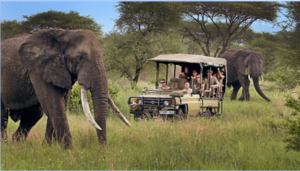
Tanzania accommodates various safari styles to suit different preferences and budgets. Game drives remain the most popular method for wildlife viewing, conducted in specially modified four-wheel-drive vehicles that provide elevated viewing positions and protection from wildlife.
Walking safaris offer intimate encounters with nature, allowing visitors to appreciate the smaller details of the ecosystem under the guidance of armed rangers. These excursions provide insights into tracking, plant identification, and understanding animal behaviors from ground level.
Hot air balloon safaris present a unique perspective, floating silently above the plains at dawn to observe wildlife from above. This experience combines adventure with luxury, typically concluding with champagne breakfasts in the bush.
For photographers and dedicated wildlife watchers, photographic safaris with specialized vehicles and expert guides maximize opportunities to capture extraordinary images.
Cultural Enrichment Beyond Wildlife
Tanzania’s safari experience extends beyond wildlife to include rich cultural interactions with indigenous communities. The Maasai people, with their distinctive red shukas and traditional pastoral lifestyle, offer cultural tours that provide insights into their customs, crafts, and harmonious relationship with wildlife.
Visiting local villages allows travelers to understand how communities living alongside wildlife navigate conservation challenges while maintaining their traditional ways of life. These interactions add meaningful context to the safari experience and support community development initiatives.
Practical Safari Considerations
Planning a Tanzania safari requires consideration of several factors. Most international visitors fly into Kilimanjaro International Airport or Julius Nyerere International Airport in Dar es Salaam. Domestic flights connect to airstrips near major parks, significantly reducing travel time compared to road transfers.
Accommodation options range from luxury lodges and permanent tented camps to mobile camps and budget campsites. Luxury properties offer exceptional service, gourmet dining, and prime locations, while budget options provide authentic experiences at more accessible prices.
Safari costs vary considerably based on accommodation level, season, group size, and itinerary complexity. All-inclusive packages typically cover accommodation, meals, park fees, and game drives, simplifying budgeting and logistics.
Conservation and Responsible Tourism
Tanzania’s tourism industry plays a crucial role in wildlife conservation. Park fees and tourism revenues fund anti-poaching efforts, habitat restoration, and community development projects. Responsible safari operators adhere to strict ethical guidelines that minimize environmental impact and ensure animal welfare.
Travelers can contribute to conservation by choosing operators committed to sustainable practices, respecting wildlife viewing distances, avoiding disturbance to animals, and supporting community-based tourism initiatives. These actions ensure that future generations can enjoy Tanzania’s natural heritage.
Conclusion
A Tanzania safari represents more than a vacation—it’s a transformative journey into one of Earth’s last great wilderness areas. The opportunity to witness the Great Migration, observe predators in action, and experience the raw beauty of African landscapes creates memories that transcend typical travel experiences. Tanzania’s commitment to conservation, combined with its extraordinary biodiversity and well-developed tourism infrastructure, establishes it as Africa’s premier safari destination.
Whether you’re drawn by the promise of witnessing wildlife spectacles, the challenge of photographing iconic species, or simply the desire to disconnect from modern life and reconnect with nature, Tanzania delivers experiences that exceed expectations. The country’s varied ecosystems ensure that no two safaris are identical, encouraging return visits to discover new parks, witness different seasons, and deepen your understanding of this remarkable corner of the world.
Key Takeaways
- Tanzania protects nearly 30 percent of its land for wildlife conservation, creating vast wilderness areas with minimal human interference
- The Serengeti hosts the Great Migration, involving approximately two million wildebeest and hundreds of thousands of other herbivores annually
- Ngorongoro Crater functions as a natural zoo with 25,000 large mammals living in the world’s largest intact volcanic caldera
- Different seasons offer distinct advantages: dry season for optimal game viewing, wet season for birding and fewer crowds
- Safari styles accommodate all preferences, from traditional game drives to walking safaris, balloon rides, and photographic expeditions
- Cultural interactions with Maasai communities enrich the safari experience beyond wildlife observation
- Responsible tourism directly supports conservation efforts and community development throughout Tanzania
- The country offers accommodation options across all budget ranges without compromising on authentic wilderness experiences
Frequently Asked Questions
What is the best time to visit Tanzania for a safari?
The dry season from June to October offers the best overall game viewing as animals concentrate around water sources and vegetation is less dense. However, the wet season from November to May provides excellent birding, lush landscapes, lower prices, and the opportunity to witness the Great Migration calving season in January through March.
How many days should I plan for a Tanzania safari?
A minimum of five to seven days allows you to visit two to three major parks without feeling rushed. Ten to fourteen days provides a more comprehensive experience, including time for cultural visits, relaxation, and exploration of multiple ecosystems. Longer safaris enable you to witness different wildlife behaviors and increase your chances of rare animal sightings.
Is Tanzania safe for safari travel?
Tanzania is generally considered safe for tourists, particularly within established safari circuits and national parks. Wildlife parks employ professional guides and rangers who prioritize visitor safety. Standard precautions include following guide instructions, staying inside vehicles during game drives, and choosing reputable tour operators with good safety records.
What vaccinations are required for Tanzania?
Yellow fever vaccination is mandatory if arriving from yellow fever endemic countries. Recommended vaccinations include hepatitis A and B, typhoid, tetanus, and routine immunizations. Malaria prophylaxis is strongly advised as the disease is present in most safari areas. Consult a travel medicine specialist at least six weeks before departure.
Can I do a self-drive safari in Tanzania?
While technically possible, self-drive safaris are not recommended in Tanzania due to challenging road conditions, navigation difficulties, and safety concerns. Professional guides possess invaluable knowledge about animal behavior, tracking, and optimal viewing locations that significantly enhance the safari experience. Most parks require registered guides for entry.
What should I pack for a Tanzania safari?
Essential items include neutral-colored clothing in breathable fabrics, a wide-brimmed hat, quality sunglasses, sunscreen, insect repellent, binoculars, camera equipment with extra batteries and memory cards, and a light jacket for early morning game drives. Many lodges offer laundry services, allowing you to pack lighter. Avoid bright colors that may disturb wildlife.
How close can you get to the animals?
Professional guides maintain safe distances prescribed by park regulations, typically 25 to 30 meters for most wildlife. These distances protect both animals and visitors while still allowing excellent viewing and photography opportunities. Predators and other potentially dangerous animals require greater distances, determined by guide expertise and animal behavior.
